The Cyrus Prophecy
This was often pointed to as one of the great prophecies of the Bible. The Bible predicts Cyrus subduing the nations years before Cyrus was even alive. Isaiah is believed to have lived somewhere between 740-680BC and Cyrus reigned 560-530BC so Isaiah was able to predict the arrival of this ruler hundreds of years in advance. This is a huge prophecy.
The problem is that modern scholars do not believe that Isaiah actually wrote all of Isaiah. They instead have found that Isaiah was likely written by 3 or more people who wrote extra sections to an already existing book. Scholars generally divide the book of Isaiah into 3 sections: Chapters 1-39, 40-55, and 56-66. Why do they claim this?
Well there are 3 basic reasons:
- The Historical context changes between the 3 sections. The second section assumes that Jerusalem has already been destroyed and section 3 speaks from a context when the Jews are rebuilding the temple
- Isaiah's name is no longer used after section 1.
- A big style and vocabulary shift happens at section 2.
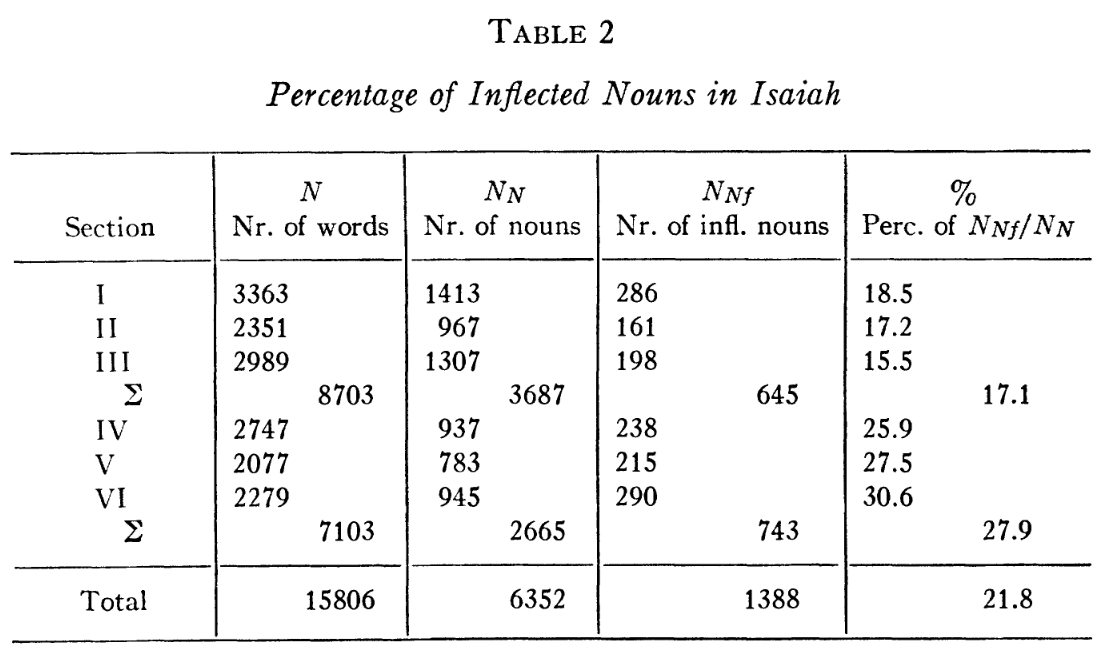
Radday's research discovered multiple statistically significant findings demonstrating a strong difference in the style being used between the first section of Isaiah (In the graph "Sections I, II, and III") vs the second and third sections (IV, V, and VI). So for instance you can see in the last column the percentage of inflected nouns between the sections is very neatly divided into 2 sections.
Radday and others' provides a strong foundation of evidence that Isaiah was likely written by more than one person. Combining the change of style along with the change in historical perspective then would lead me to conclude that Isaiah's Cyrus prophecy was written after Cyrus was already king and after he had already accomplished everything laid out in Isaiah 45.
The Tyre Prophecy
There is a very big problem here. Nebuchadnezzar never conquered Tyre. Nebuchadnezzar led a siege against Tyre for 13 years, but the siege ended with Tyre eventually negotiating its surrender. However, Nebuchadnezzar and the Babylonians never made it to the island city of Tyre and never destroyed the city.
The imagery in this prophecy plainly spells out that the Babylonians would destroy Tyre's buildings, kill their people, and steal all of their wealth. Unfortunately for this prophecy, none of this happened. Nebuchadnezzar never plundered or destroyed Tyre.
This prophecy is rather plainly stated, and the facts around the history of Tyre are undisputed even among Christian scholars, so how do we reconcile the fact that Ezekiel's prophecy about Tyre failed to come true?